

Portable power systems will not be a luxury anymore. Outdoor adventures, home backup, marine, RV living, camping, off-grid cabins, or even small businesses are now relying on them. The consumers desire safe, light, long-lasting, and easy-to-maintain power. This is where the 12V LiFePO4 battery is making a difference. LiFePO4 (Lithium Iron Phosphate) batteries have rapidly replaced the lead-acid batteries. They are more efficient, have an increased life cycle, are quicker to charge, and are significantly safer.
What Is a 12V LiFePO4 Battery?
LiFePO4 battery is a Liithium battery which employs lithium iron phosphate chemistry. It offers a consistent 12.8V output, which is nearly equal to the voltage of the conventional 12V lead-acid batteries. This renders it a direct replacement for many existing systems without significant rewiring.
LiFePO4 batteries, unlike the old types of battery, are deep cycled. This implies that they can be repeated and recharged thousands of times and maintain high performance. They also have an inbuilt Battery Management System (BMS) that safeguards against overcharging, overheating, short circuiting, and deep discharging.
Why Portable Power Systems Need Better Batteries
Demanding situations make use of portable power systems:
- RVs and camper vans
- Boats and marine electronics
- Solar and off-grid setups
- Emergency home backup
- Outdoor and camping equipment
- Mobile workstations
In every such situation, the user requires a long-lasting power, fast charging power, and non-failure. Old-fashioned lead-acid batteries are cumbersome, slow to recharge, and their capacity is easily affected. They also need frequent maintenance and airsting. These issues are solved with a 12V LiFePO4 battery.
Key Benefits of a 12V LiFePO4 Battery
1. Much Longer Lifespan
Lifespan is one of the main reasons individuals switch to LiFePO4. A good 12V LiFePO4 battery is expected to have 3,000 to 6,000 charge cycles. Lead-acid batteries have a short life of only 300-500 cycles.
This fact implies that a LiFePO4 battery has a lifespan of 8 to 10 years or longer when used frequently. In the long run, this saves on replacement costs and downtimes on the system.
2. Lightweight and Easy to Carry
Portability is concerned with weight. Lightweight equipment is advantageous to RV owners, campers, and boaters.
LiFePO4 batteries usually weigh 5070 per cent lighter than a similar lead-acid battery at 12V. It simplifies installation, improves car fuel efficiency, and makes car system designs more flexible.
3. High Usable Capacity
In the case of lead-acid batteries, you can safely only use a fraction of the rated capacity (50 percent). Anything less can destroy the battery.
LiFePO4 batteries can be safely operated at 80-95 percent of their capacity. An example of a LiPo4 100Ah battery provides nearly the entire usable capacity of 100Ah. This is because a smaller, lighter battery provides you with more real energy.
4. Fast and Efficient Charging
The LiFePO4 battery charges much quicker than the old-fashioned batteries. It also allows higher charge currents, thus making it suitable for solar systems, generators, and DC-DC chargers.
In portable power systems, speed of charging is paramount; it might have a short time of sunshine or time available at the generator. The LiFePO4 batteries are quick in reaching total charge and retaining the charge.
5. Stable Power Output
LiFePO4 cells maintain a constant voltage for a large portion of the discharge cycle. This implies that your appliances, lights, and electronics will operate without dropping power.
This constant supply is crucial for delicate electronics such as laptops, communication devices, medical devices, and navigation equipment.
6. Excellent Safety Profile
Safety is a significant advantage of LiFePO4 chemistry. These batteries are:
- Highly resistant to overheating
- Non-explosive under normal conditions
- Chemically stable
- Protected by built-in BMS systems
This makes a 12V LiFePO4 battery much safer than many other lithium battery types, especially for indoor and mobile use.
How a 12V LiFePO4 Battery Transforms Portable Power Systems
A portable power system is only as good as its battery. When you upgrade to LiFePO4, the entire system improves.
You gain:
- Longer runtime
- Shorter charging periods
- Reduced system weight
- Higher reliability
- Lower long-term cost
This allows people to design smaller, cleaner, and more powerful portable energy solutions. From compact solar generators to full off-grid battery banks, LiFePO4 technology is the foundation of modern portable power.
Understanding Capacity: lifepo4 100ah vs 300ah lifepo4 battery
Choosing the right battery size is crucial. Two of the most popular options are the 100Ah and 300Ah LiFePO4 batteries.
Lifepo4 100ah: Perfect for Small to Medium Systems
A LiFePO4 100Ah battery is ideal for:
- Camping setups
- Small RV systems
- Portable solar generators
- Backup power for lights and electronics
- Fish finders, trolling motors, and small inverters
It offers an excellent balance between size, weight, price, and performance. For beginners or mobile users, a 100Ah LiFePO4 battery provides reliable, flexible power without taking up much space.
300ah lifepo4 battery: Built for High-Demand Power
A 300Ah LiFePO4 battery is designed for users who need serious energy storage, such as:
- Large RVs and camper vans
- Off-grid homes
- Marine power systems
- Workshop equipment
- Full backup power setups
With much higher capacity, a 300Ah battery can run refrigerators, air conditioners, water pumps, and power tools for extended periods. It also reduces the need to connect multiple smaller batteries, simplifying system design and wiring.
Why LiFePO4 Batteries Are Ideal for Solar and Off-Grid Systems
Solar power and LiFePO4 batteries work exceptionally well together.
LiFePO4 batteries can handle frequent charging and discharging, which is precisely how solar systems operate. They also store solar energy with high efficiency, meaning less energy is lost as heat.
For off-grid users, a 12V LiFePO4 battery ensures:
- Maximum use of collected solar energy
- Stable power day and night
- Reliable performance in changing weather
- Long-term cost savings
Whether you choose a 100Ah LiFePO4 battery for a small solar kit or a 300Ah LiFePO4 battery for a complete off-grid system, LiFePO4 chemistry delivers consistent, dependable performance.
Environmental and Economic Advantages
LiFePO4 batteries are more environmentally friendly than many older battery types. They do not contain lead, cadmium, or corrosive acids. Their long lifespan also means fewer batteries are produced and discarded over time.
From a financial perspective, although the upfront cost may be higher, the total cost of ownership is much lower. Fewer replacements, less maintenance, and higher efficiency all contribute to significant long-term savings.
Real-World Uses of 12V LiFePO4 Batteries
Today, 12V LiFePO4 batteries are widely used in:
- Portable power stations
- Emergency backup systems
- Electric mobility devices
- Marine and boating power
- RV and camper electrical systems
- Off-grid cabins and tiny homes
-
Outdoor events and mobile businesses
Their flexibility makes them one of the most critical energy storage technologies available today.
Why the Future of Portable Power Is LiFePO4
The global shift toward clean energy, mobile lifestyles, and reliable backup systems is accelerating. People want batteries that are smarter, safer, lighter, and longer-lasting.
A 12V LiFePO4 battery meets all these demands. It supports modern power needs while reducing environmental impact and long-term costs. With scalable options ranging from 100ah LiFePO4 units to high-capacity 300ah LiFePO4 models, LiFePO4 technology is setting the new standard for portable power.
Final Thoughts
The 12V LiFePO4 battery is revolutionizing portable power systems by solving the biggest problems users have faced for decades: short lifespan, heavy weight, slow charging, and limited usable energy. By offering extended service life, fast charging, excellent safety, and high usable capacity, LiFePO4 batteries enable more innovative and more efficient power solutions. Whether you need a compact 100Ah LiFePO4 battery for weekend trips or a powerful 300Ah LiFePO4 battery for whole off-grid living, this technology delivers dependable energy wherever you need it.
FAQs
1. What makes a 12V LiFePO4 battery better than lead-acid batteries?
A 12V LiFePO4 battery lasts much longer, weighs less, charges faster, and provides more usable power. It also requires no maintenance and offers better safety and performance.
2. Is a LiPo4 100Ah battery enough for camping and RV use?
Yes. A LiFePO4 100Ah battery is excellent for camping, small RVs, and portable solar systems. It can reliably power lights, fans, small refrigerators, and electronic devices.
3. Who should choose a 300Ah LiFePO4 battery?
A 300Ah LiFePO4 battery is best for users with high energy demands, such as off-grid homes, large RVs, boats, or complete backup power systems that run multiple appliances.
4. Are LiFePO4 batteries safe for indoor and mobile use?
Yes. LiFePO4 batteries are among the safest lithium battery types. They are thermally stable, resistant to overheating, and protected by built-in battery management systems.
5. How long does a 12V LiFePO4 battery last?
With proper use, a quality 12V LiFePO4 battery can last 8 to 10 years or more, providing thousands of charge cycles and consistent performance.
6. Can a 12V LiFePO4 battery work with existing inverters and chargers?
Yes. Most 12V LiFePO4 batteries are designed as direct replacements for lead-acid batteries and work well with standard 12V inverters, solar charge controllers, and DC systems.
7. Does cold weather affect LiFePO4 battery performance?
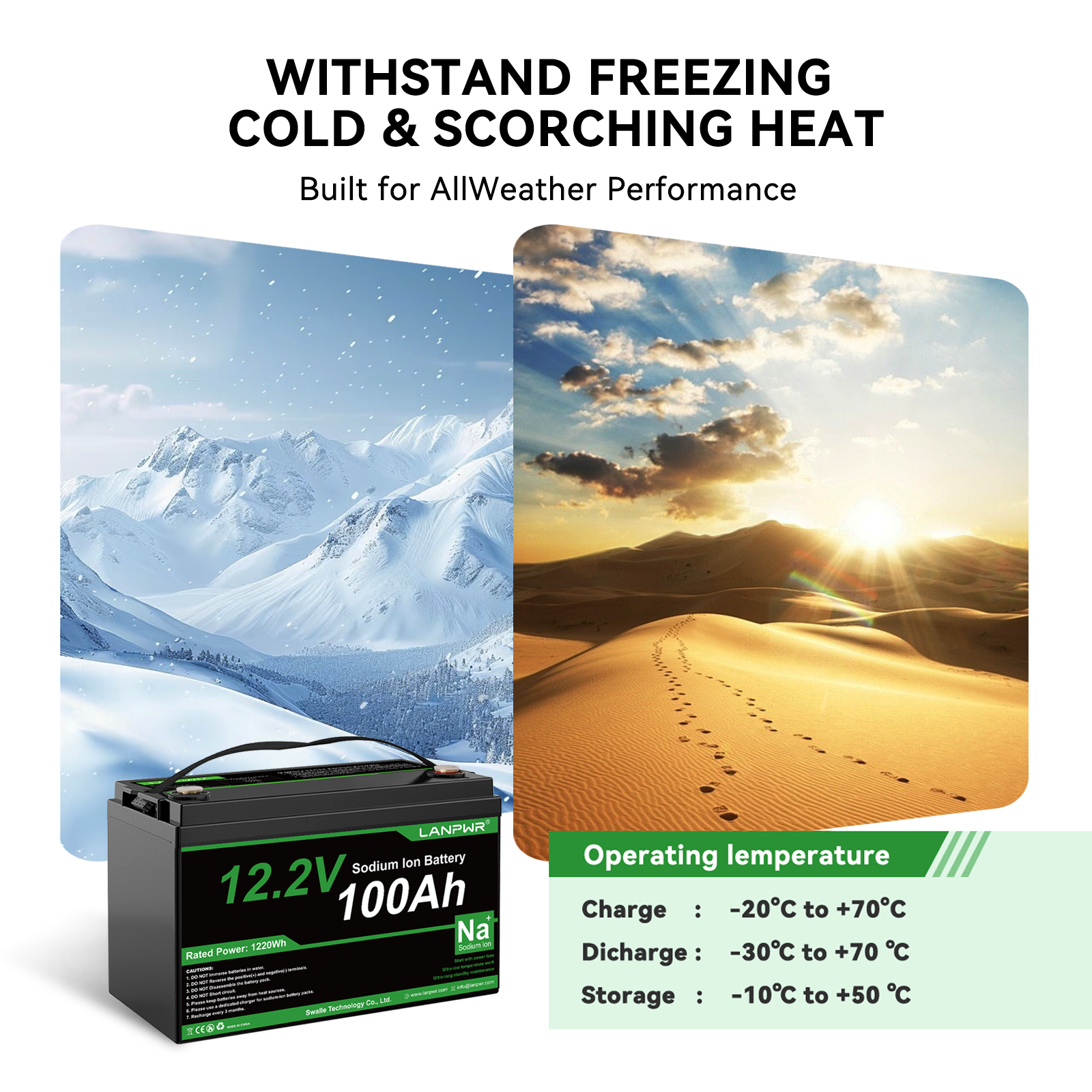
LiFePO4 batteries can operate in cold conditions, but charging below freezing can damage the cells if the battery is not protected. Many modern models include low-temperature cut-off or self-heating features, making them suitable for RVs, marine use, and outdoor portable power systems.



Leave a comment
This site is protected by hCaptcha and the hCaptcha Privacy Policy and Terms of Service apply.